How this archive is classified
A case is marked solved only when reliable attribution and a sufficiently conclusive outcome are documented. La Saline produced complaints, arrests, charges and sanctions but no verified final conviction. Raboteau’s convictions were later quashed or subject to retrial rights. Jean Dominique’s murder lacks a verified final conviction. Brignol Lindor’s case produced nine convictions but left defendants and alleged instigators unresolved. The Moïse assassination produced U.S. convictions while other proceedings remained active. Pont-Sondé produced complaints and warrants but no verified prosecution progress. Wharf Jérémie produced an active investigation and witness interviews but no verified final judgment.
Why is La Saline unresolved?
The massacre is well documented, but sanctions findings and investigative charges did not produce a verified final criminal judgment.
Why is the Lindor case partially adjudicated?
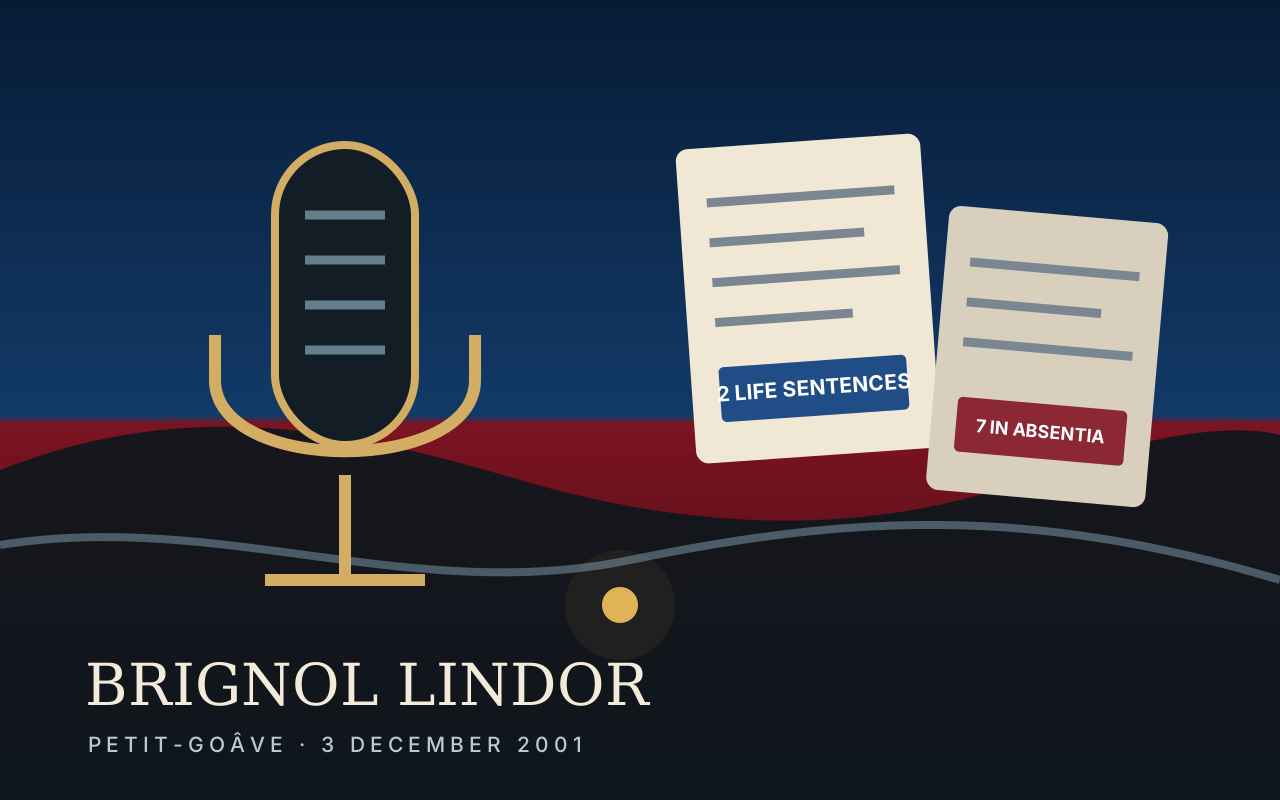
Two defendants received life sentences and seven were convicted in absentia. Later reporting said the seven remained at large and alleged instigators had not been tried.
How are accusations handled?
Indictments, sanctions findings, prosecutor claims and investigative reports are attributed. They are not converted into convictions, and suspects are not described as perpetrators without adjudication.
Why symbolic artwork?
The illustrations use Haitian geography, radio, archive, court and memorial motifs without claiming to portray victims, suspects, scenes or evidence.
Haiti archive FAQ
How many Haiti case files are published?
Eight verified files are published: Saint-Jean Bosco, Wharf Jérémie, Pont-Sondé, La Saline, Raboteau, the murders of journalists Jean Léopold Dominique and Brignol Lindor, and the assassination of Jovenel Moïse.
Why is Wharf Jérémie unresolved?
The UN documented an active investigation and witness interviews, but no final criminal judgment or conviction resolving the massacre was verified.
Was anyone finally convicted for La Saline?
No final criminal conviction resolving the massacre was verified. U.S. sanctions are recorded as administrative measures, not convictions.
Was anyone convicted in the Lindor case?
Yes. Two men received life sentences in 2007 and seven defendants were convicted in absentia in 2008, but the wider responsibility record remained incomplete.
Was anyone finally convicted for the Radio Haïti-Inter murders?
No final conviction was verified. Successive inquiries produced indictments, appeals and renewed investigations.
Were people convicted for the 2021 assassination plot?
Yes. Guilty pleas, sentences and a May 2026 jury verdict established responsibility for several participants, while other defendants and wider questions remained unresolved.
Why is Pont-Sondé unresolved?
The attack is documented, but complaints and arrest warrants did not produce verified prosecution progress or a final conviction.
Why are allegations not presented as facts?
An accusation or indictment is not a conviction. The archive preserves procedural distinctions and the presumption of innocence.
← Return to all countries